
HOSPITALITYCHAIN.COM
Global Hospitality And Culinary Ecosystem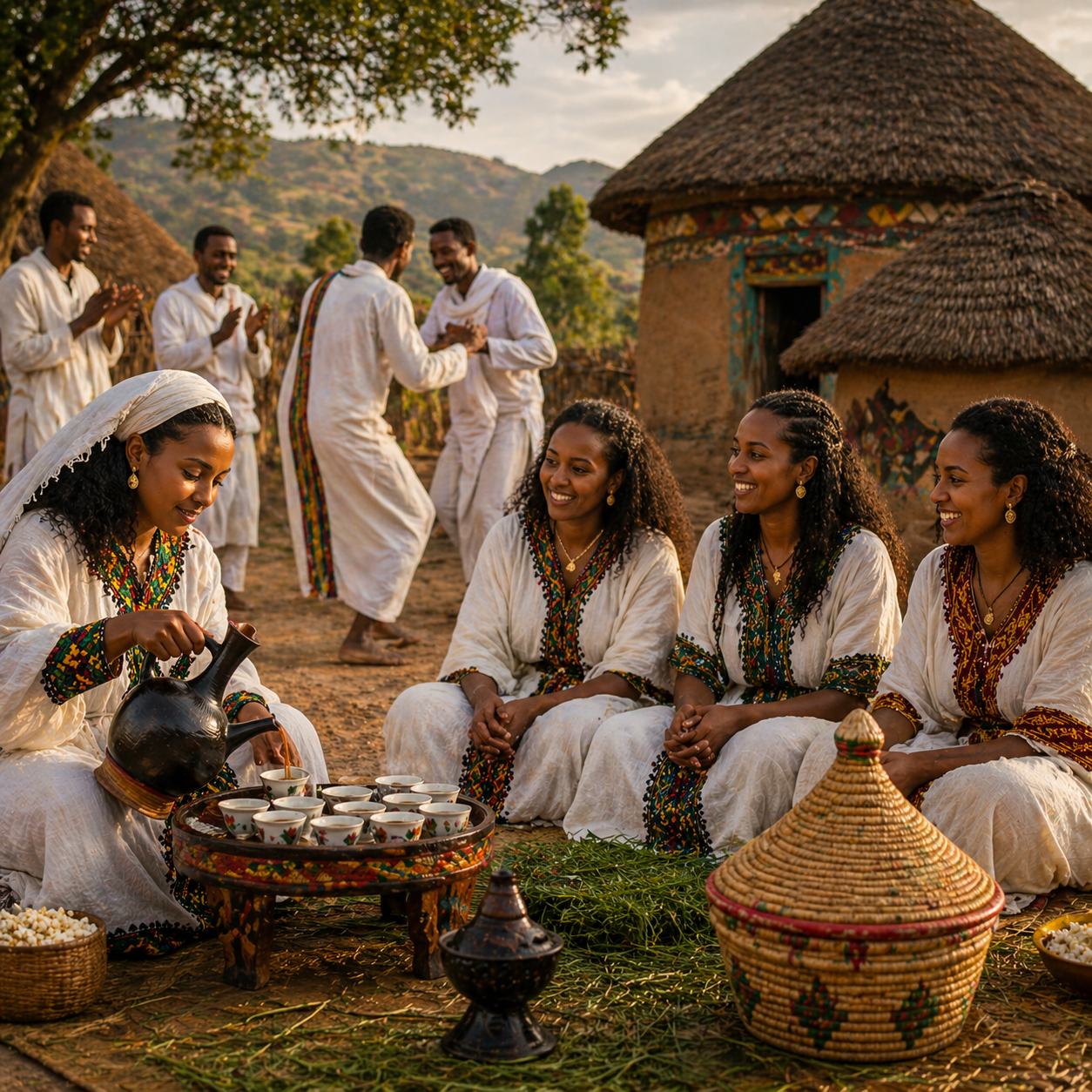
Profile Description
Ethiopian cuisines are deeply rooted in tradition, offering a distinctive and communal way of dining. Rather than individual servings, meals are shared from a central platter, creating a strong sense of connection. At its heart, the cuisine reflects centuries of cultural and regional influences.
Core Culinary Elements
- Communal dining centred around shared platters
- Use of injera as both base and utensil
- Fermentation techniques creating tangy, complex flavours
- Slow-cooked stews layered with spices
- Strong cultural traditions tied to food and hospitality
- Emphasis on balance between spice, texture, and richness
Key Ingredients
- Teff flour used to make injera
- Spice blends such as berbere and mitmita
- Lentils, chickpeas, and legumes
- Meats including beef, lamb, and chicken
- Vegetables such as cabbage, carrots, and greens
- Clarified butter (niter kibbeh) adding depth
Sweets and Staple Dishes Of Ethiopian Cuisines
- Injera served as a staple with most meals
- Stews such as doro wat and misir wat
- Vegetable-based dishes reflecting plant-rich traditions
- Simple sweets often less prominent than savoury dishes
- Honey wine (tej) enjoyed with meals
- Coffee ceremonies forming an important cultural ritual
Ethiopian food brings people together in a truly unique way.
Often, meals are shared by hand, reinforcing a sense of unity and tradition.
Flavours are bold, yet carefully balanced through spice and preparation.
There is a strong connection between food, culture, and daily life.
In essence, Ethiopian cuisine offers an experience that goes beyond the plate.
Ethiopia offers a cultural landscape as rich and layered as its cuisine. With a history that stretches back thousands of years, it is one of the oldest civilisations in the world, and this depth is reflected in the way people live, gather, and share food. In many communities, meals are not simply eaten but experienced, often served on a large communal platter where family and friends come together in a spirit of unity and respect. This strong sense of togetherness is a defining characteristic of Ethiopian culture.
Food Blended With Tradition
Across the country, traditions remain deeply valued, particularly in rural regions where daily life continues to follow long-established customs. At the same time, bustling cities such as Addis Ababa offer a vibrant contrast, blending modern energy with cultural heritage. Markets are filled with spices, fresh produce, and handcrafted goods, providing insight into everyday life while reflecting the country’s agricultural roots.
Hospitality is central to Ethiopian society. Guests are welcomed with warmth, and it is common to be invited to share both food and conversation. The traditional coffee ceremony, in particular, holds great cultural significance, symbolising respect, friendship, and community. It is a slow and deliberate ritual, offering visitors a chance to pause and connect.
For travellers, Ethiopia presents a unique and rewarding destination. From the dramatic landscapes of the Simien Mountains to the historic rock-hewn churches of Lalibela, the country offers a mix of natural beauty and cultural heritage. These experiences, combined with its distinctive cuisine, create a journey that feels both authentic and memorable.
