
HOSPITALITYCHAIN.COM
Global Hospitality And Culinary Ecosystem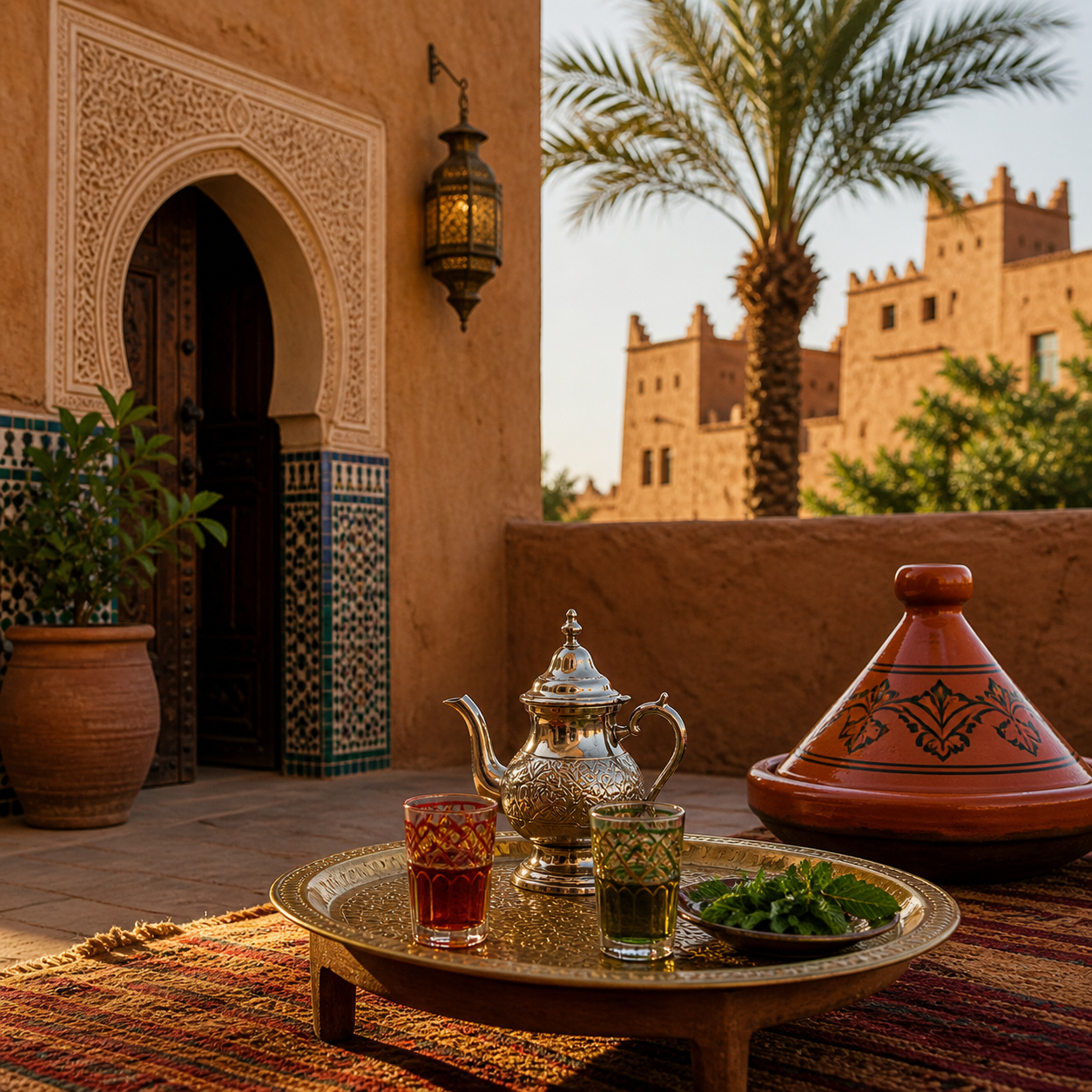
Profile Description
Moroccan cuisine reflects a rich blend of history, trade, and cultural exchange.
Influences from Arab, Berber, and Mediterranean traditions shape its identity.
Flavours are layered with care, creating depth without overwhelming the palate.
Across regions, dishes are guided by local ingredients and time-honoured methods.
There is a strong connection between food, hospitality, and daily life.
Ultimately, Moroccan cuisine offers a sensory experience full of warmth and character.
Core Culinary Elements Of Moroccan Cuisine
- Slow cooking methods using tagines and clay pots
- Layered spice profiles creating depth and balance
- Combination of sweet and savoury flavours in many dishes
- Strong influence of regional and cultural traditions
- Emphasis on hospitality and shared dining
- Use of preserved ingredients to enhance flavour
Key Ingredients
- Spice blends such as ras el hanout
- Preserved lemons adding brightness and depth
- Olives used across many savoury dishes
- Meats including lamb, chicken, and beef
- Dried fruits such as apricots and dates
- Fresh herbs and condiments including coriander and parsley
Sweets and Staple Dishes
- Traditional sweets including baklava-style pastries and chebakia
- Staple dishes such as tagine and couscous
- Bread served daily with most meals
- Sweet pastries often flavoured with honey and almonds
- Mint tea as a central part of hospitality
- Dishes combining fruit and spices for contrast
Moroccan food carries a rhythm shaped by tradition and ritual.
Often, meals are prepared slowly, allowing flavours to develop naturally.
There is a richness that reflects both history and cultural exchange.
Spices are used with intention, bringing warmth without overpowering.
In many respects, Moroccan cuisine offers a dining experience that is both vibrant and deeply rooted.
Moroccan cuisine brings together flavour, culture, and tradition in a way that feels both immersive and enduring. Rooted in centuries of influence, it reflects a lifestyle where food is prepared with care and shared with intention. Meals are not rushed; instead, they unfold gradually, allowing each element to be appreciated. This approach creates a dining experience that feels both relaxed and meaningful.
Across Morocco, food remains closely connected to daily life. In vibrant cities such as Marrakech and Fez, markets and kitchens showcase the depth of local ingredients and culinary knowledge. From hand-ground spices to slow-cooked dishes, every step reflects a commitment to tradition. At the same time, the country’s landscapes, from coastal regions to inland plains, continue to shape how food is sourced and prepared.
Hospitality sits at the heart of Moroccan culture. Guests are welcomed with warmth, often beginning with the pouring of mint tea, a gesture that symbolises respect and connection. Meals are shared, encouraging conversation and creating a strong sense of community. This welcoming spirit extends across homes, restaurants, and gatherings, making dining an experience that goes beyond the plate.
For those exploring the country, Morocco offers a journey rich in colour, history, and flavour. Whether wandering through the blue streets of Chefchaouen or experiencing the vast beauty of the Sahara Desert, the connection between place and food is unmistakable. In many ways, Moroccan cuisine captures the relationship between food and travel perfectly, offering a culinary experience that is both expressive and deeply rooted in culture.
