
HOSPITALITYCHAIN.COM
Global Hospitality And Culinary Ecosystem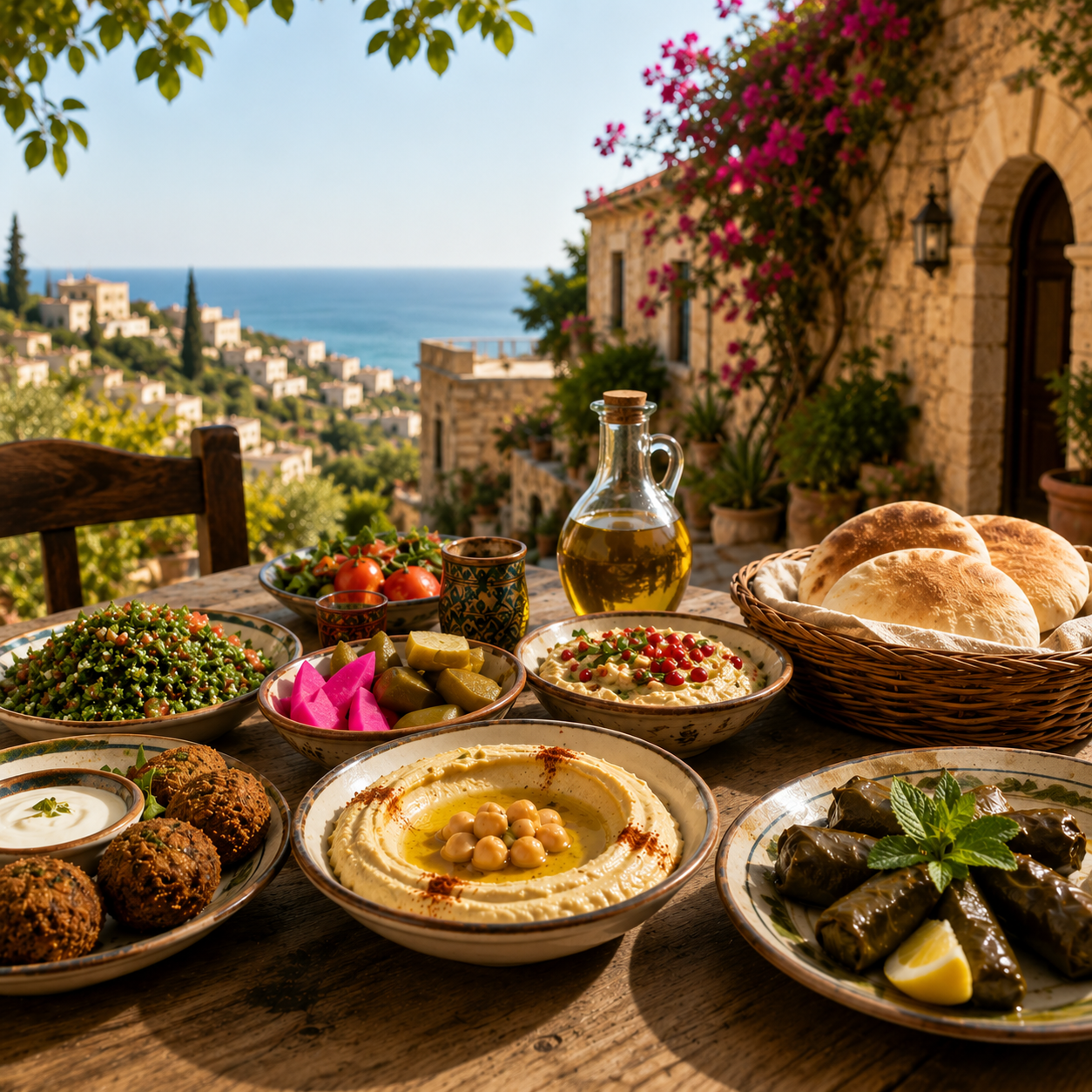
Profile Description
Centuries of trade, migration, and cultural exchange have helped shape the distinctive character of Lebanese food. Known for its freshness and balance, the cuisine combines vibrant ingredients with simple preparation techniques. Across towns and villages, recipes are often passed from one generation to the next. Meals are rarely rushed, encouraging conversation and connection around the table.
Herbs, olive oil, grains, and fresh produce feature prominently throughout the cuisine.
Ultimately, Lebanese cuisine offers a dining experience built on flavour, hospitality, and tradition.
Core Culinary Elements Of Lebanese Cuisine
- Mezze culture centred on sharing multiple small dishes
- Strong emphasis on fresh, seasonal ingredients
- Balanced use of herbs, spices, and citrus
- Grilled meats and seafood prepared with simplicity
- Deep connection between food, family, and hospitality
- Traditional recipes preserved through generations
Key Ingredients
- Olive oil used throughout cooking and serving
- Fresh herbs including parsley, mint, and coriander
- Chickpeas and lentils featured in many dishes
- Lemons adding brightness and balance
- Lamb, chicken, and seafood widely used
- Nuts such as pine nuts and almonds
Sweets and Staple Dishes
- Hummus and baba ghanoush served as popular mezze
- Tabbouleh and fattoush showcasing fresh produce
- Kibbeh regarded as a national favourite
- Shawarma enjoyed throughout the region
- Baklava featuring layers of pastry, nuts, and syrup
- Maamoul pastries traditionally served during celebrations
Lebanese food reflects a culture that values generosity and togetherness. Often, a meal begins with an array of mezze, inviting guests to share and sample a variety of flavours. There is a natural elegance in the way dishes are presented, despite their simplicity. Family gatherings, celebrations, and everyday meals all revolve around food and hospitality. In many ways, Lebanese cuisine embodies warmth, community, and a genuine love of sharing good food.
Lebanon itself is a country of remarkable contrasts .Ancient ruins stand alongside vibrant cities, while mountain ranges overlook the Mediterranean coastline. Historic destinations such as Beirut and the ancient city of Byblos attract visitors from around the world. This rich cultural heritage continues to influence the nation’s food, traditions, and welcoming spirit.
