HOSPITALITYCHAIN.COM
Global Hospitality And Culinary Ecosystem
Profile Description
On Bodmin Moor, Phillip and Carol Stansfield have been making Cornish Blue on their farm since 2001. The cheese was born out of necessity: milk prices had crashed to around 15 pence a litre, leaving the couple’s dairy business struggling and in need of a new source of income.
Rather than jump straight in, they spent roughly two years researching the market through the Milk Development Council, the British Cheese Board and DEFRA. What they found was a gap: no one was making blue cheese in Cornwall. Keen to avoid competing directly with an established heavyweight like Stilton, they zeroed in on the softer, milder end of the blue cheese spectrum — a style that, at the time, was only available as an import. A homegrown, gentler blue cheese seemed like the obvious opportunity, and they already had the perfect name waiting: Cornish Blue.
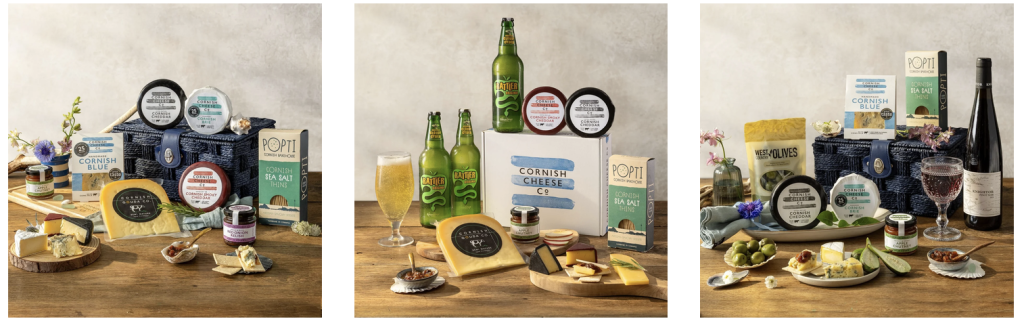
There was just one problem — neither of them had ever made cheese before. Phillip remembered that Cheshire College of Agriculture, where he’d studied at 19, ran cheesemaking courses, so he enrolled. He describes their first day of production as one of the most nerve-wracking of his life. A former student, Chris Ashby, helped them through that initial session, but after that they were left to figure things out through trial and error, leaning on advice from others in the industry along the way. Getting the recipe and process right took the better part of a year, and Phillip estimates they had to discard around £40,000 worth of cheese during that period rather than sell anything that wasn’t up to standard.
The farm’s location turned out to be an asset: the damp climate typical of land bordering Bodmin Moor supports the kind of lush pasture that makes for good milk. Once made, the cheeses spend twelve to fourteen weeks in a maturing room, where they’re inspected every day and turned weekly so moisture disperses evenly and the flavour develops fully. After maturing, each cheese is hand-cut and packaged before being shipped both domestically and abroad.
Recognition followed steadily. The cheese picked up its first honour in 2004 at the Tesco Cheese Challenge, then took the Supreme Champion title at the Bath and West Show shortly after. The biggest moment came in 2010, when Cornish Blue was named World Champion Cheese — a result the Stansfields hadn’t dared to expect given the thousands of entrants from around the globe. Phillip has said that simply making the top 50 would have been an achievement, so hearing their cheese declared the overall winner was staggering, and it transformed the business almost immediately.
Demand kept climbing — not just from supermarkets but from delis, cafés, restaurants and an expanding online customer base — prompting a facility expansion in 2015. Building on that momentum, in 2017 the couple adapted their original recipe to create a goat’s cheese blue, made with milk from local goat farmers, which delivers a creamy texture with a nutty finish. It has since picked up its own accolades, including recognition as the UK’s best blue goat’s cheese and a Gold at the International Cheese Awards.
The business marked its 20th anniversary in 2021 with an updated logo and brand identity meant to reflect both the quality of the product and its Cornish heritage. That same year also saw the completion of a second production room beside the existing blue-cheese dairy — a project partly funded through the Rural Development Programme for England — giving the team a dedicated, separate space to branch out into soft white cheeses. Trials that began in July eventually produced a full-bodied, creamy farmhouse-style brie, which reached local retailers and restaurants by autumn.
