
HOSPITALITYCHAIN.COM
Global Hospitality And Culinary Ecosystem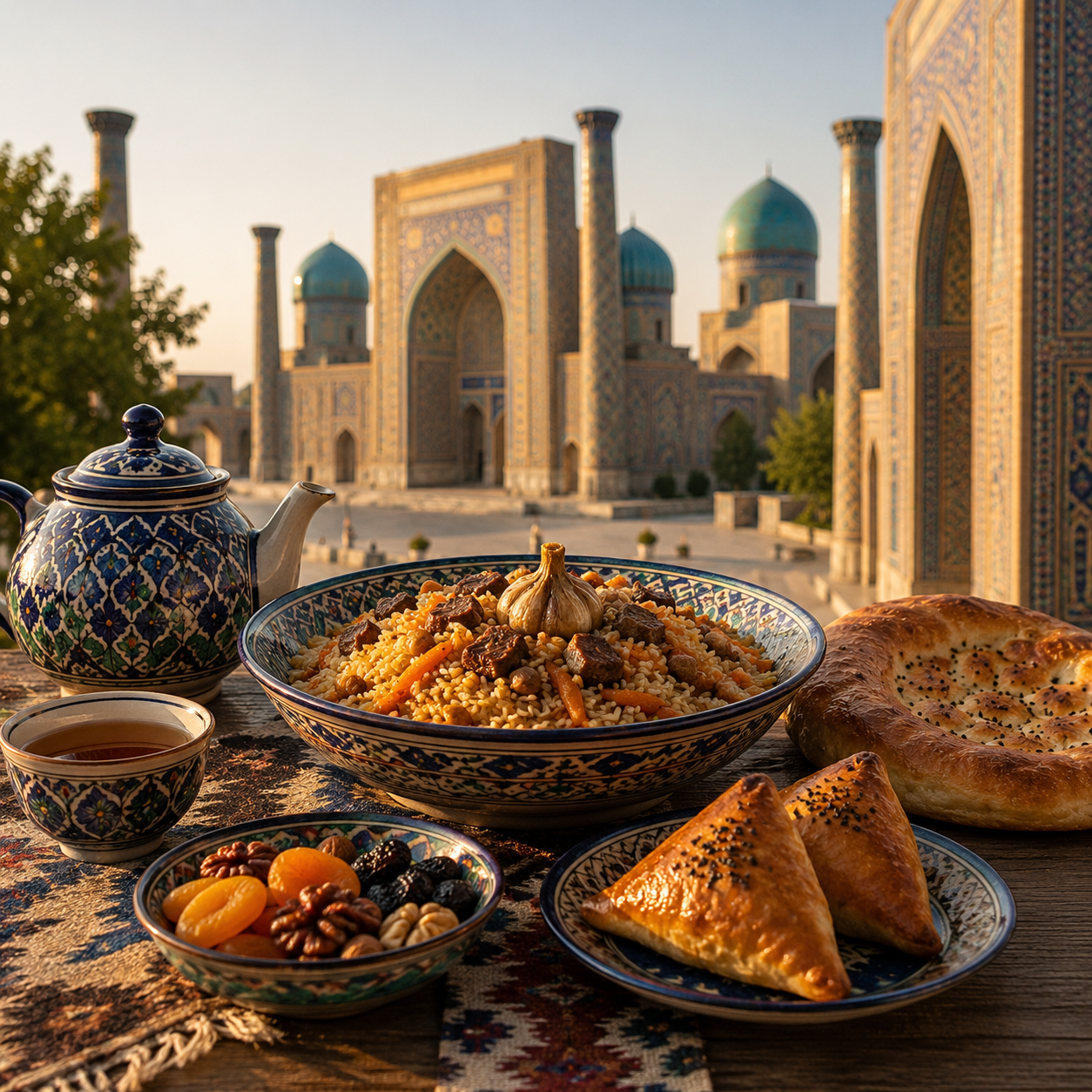
Profile Description
Uzbek cuisine is shaped by the ancient Silk Road, where trade, culture, and flavour met across centuries. Its food reflects influences from Central Asia, Persia, Russia, and neighbouring regions. Across cities and villages, meals are generous, hearty, and deeply connected to hospitality. Bread, rice, lamb, vegetables, spices, and dried fruits play an important role. There is a rich sense of history woven through many traditional dishes. Ultimately, Uzbek cuisine offers a distinctive culinary journey full of warmth and tradition.
Core Culinary Elements Of Uzbek Cuisine
- Strong Silk Road influence shaping flavours and ingredients
- Generous shared meals centred on hospitality
- Traditional clay oven baking methods
- Rice-based dishes prepared with care and ceremony
- Grilled meats, stews, noodles, and handmade breads
- Rich use of spices without overwhelming natural flavours
Key Ingredients
- Rice used in signature dishes such as plov
- Lamb, beef, and chicken prepared in many traditional meals
- Carrots, onions, garlic, and chickpeas
- Spices including cumin, coriander, and pepper
- Dried fruits such as apricots and raisins
- Fresh herbs, melons, pomegranates, and nuts
Sweets and Staple Dishes
- Plov made with rice, meat, carrots, and spices
- Samsa pastries baked in clay ovens
- Shashlik grilled meat skewers
- Lagman noodles served with meat and vegetables
- Non bread served daily with meals
- Sweets featuring nuts, honey, dried fruits, and pastries
Uzbek food carries the spirit of a region shaped by trade, travel, and tradition.
Often, meals are shared around generous tables where guests are warmly welcomed.
The cuisine feels hearty and comforting, yet rich with cultural detail.
Its historic cities, including Samarkand, Bukhara, and Khiva, add depth to the story.
In many ways, Uzbek cuisine captures the flavour, hospitality, and heritage of the Silk Road.
Today, many of the ancient Silk Road routes continue to attract travellers eager to experience the history, culture, and flavours that once connected continents. From the magnificent blue-domed cities of Samarkand and Bukhara in Uzbekistan to the bustling bazaars of Central Asia, visitors can still explore markets filled with fragrant spices, dried fruits, handcrafted breads, and traditional dishes inspired by centuries of trade. These remarkable destinations offer far more than historical landmarks—they provide an authentic culinary journey where food, hospitality, and cultural heritage come together. For travellers, following the ancient Silk Road is an opportunity to experience one of the world’s greatest stories through its people, traditions, and unforgettable cuisine.
